I am a market-aware professional with a strong understanding of evolving technology trends and industry requirements. I specialize in identifying market needs, aligning technical solutions with business objectives, and translating requirements into practical, results-driven strategies. With a keen eye on emerging tools, customer demand, and competitive landscapes, I help organizations adopt the right technologies, optimize processes, and stay ahead in fast-changing markets. My approach combines analytical thinking, adaptability, and a solution-oriented mindset to deliver measurable value
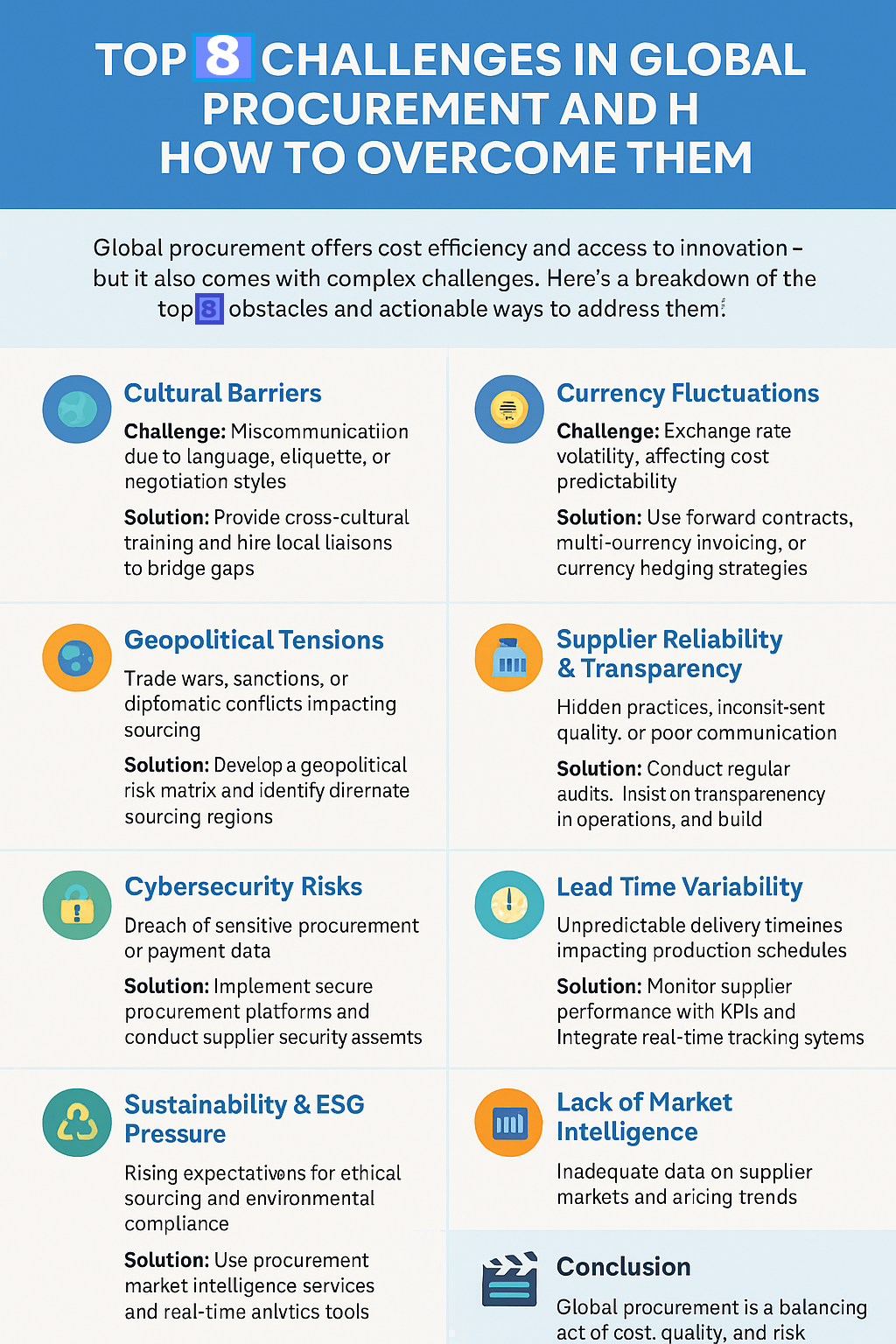
Across the world, many SMEs make similar mistakes while managing procurement, mainly because purchasing is treated as a routine operational task rather than a strategic function. One of the most common errors is **over-reliance on a small number of suppliers**, which exposes businesses to serious risks during global disruptions such as pandemics, wars, logistics bottlenecks, or raw-material shortages. SMEs also frequently **focus only on the lowest price**, ignoring factors like supplier reliability, quality consistency, delivery timelines, and after-sales support; this often results in higher long-term costs due to defects, delays, or production stoppages. Another widespread mistake is **poor demand forecasting**, where companies buy either too much (leading to excess inventory, storage costs, and cash flow strain) or too little (causing missed orders and unhappy customers). Many SMEs still rely on **manual procurement processes**, spreadsheets, or informal communication, which increases errors, reduces transparency, and makes it difficult to track supplier performance or spending patterns.
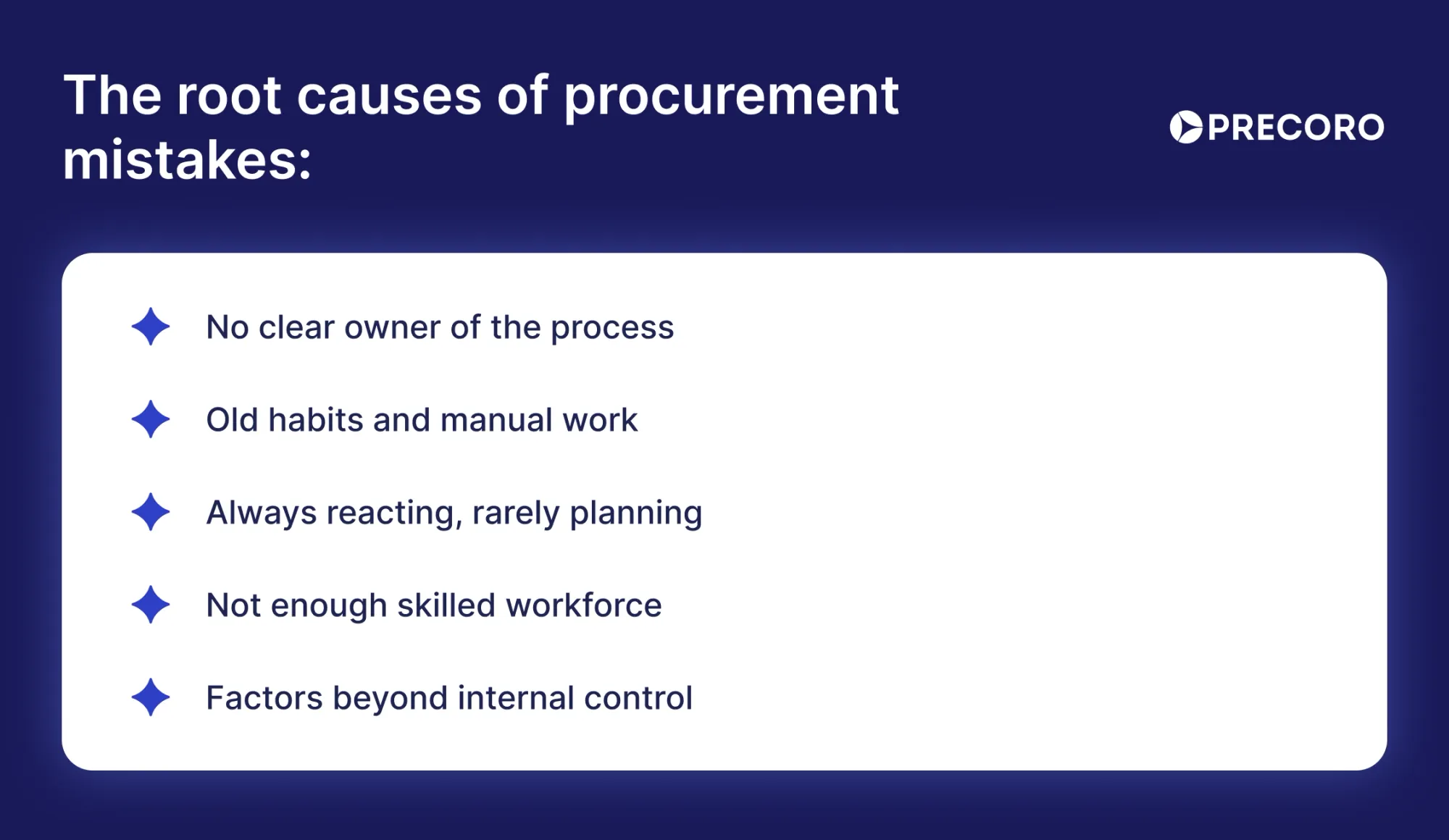
Additionally, SMEs around the world often lack **formal supplier evaluation and contract management systems**, leading to unclear terms, inconsistent pricing, and weak enforcement of delivery or quality standards. **Limited use of data and technology** is another global issue; without procurement analytics, SMEs struggle to negotiate better rates, identify cost leakages, or plan strategically. Many businesses also fail to **align procurement with overall business strategy**, purchasing reactively instead of supporting growth plans, market expansion, or sustainability goals. Finally, inadequate attention to **compliance and ethical sourcing**—such as environmental standards, labor practices, or local regulations—can create legal risks and damage brand reputation, especially when dealing with international suppliers. Globally, SMEs that overcome these mistakes by diversifying suppliers, adopting digital tools, planning demand carefully, and treating procurement as a strategic function tend to be more resilient, cost-efficient, and competitive in both local and international markets.
A B2B e-commerce platform helps small manufacturers get verified buyers by acting as a trusted digital intermediary that screens and validates business customers before allowing them to interact with sellers. These platforms require buyers to submit official business credentials such as GST numbers, company registration details, verified email IDs, and payment information, ensuring that only genuine and legally registered businesses can place inquiries or orders. Communication happens within the platform, which reduces random or fraudulent contacts and creates a traceable record of discussions. Many platforms also provide secure payment mechanisms like advance payments or escrow systems, where funds are released only after delivery, protecting manufacturers from payment defaults. In real life, for example, a small electrical equipment manufacturer in Goa listing products on **IndiaMART** receives inquiries mainly from GST-verified contractors and industrial buyers across India, allowing them to assess buyer credibility before closing deals. Similarly, exporters using **Alibaba** sell to international buyers through verified profiles and trade assurance systems, which confirm buyer identity and payment capability. This structured verification process builds trust, reduces risk, and enables small manufacturers to confidently do business with serious buyers without needing large sales teams or extensive offline networks.
No topics selected.